
ASE publishes international recruitment report and responds to latest ITT census data
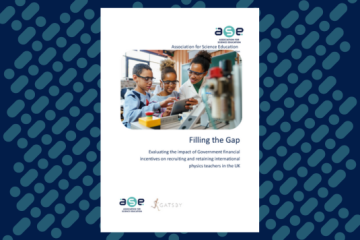
New data shows physics teacher recruitment rising - but new ASE report reveals systemic pressures could threaten to stall progress
Newly released figures from the Initial Teacher Training Census (4 December 2025) show a welcome and long-awaited rise in STEM teacher recruitment, with the sharp growth in physics trainees standing out as a significant success story. However, a new report published today by the Association for Science Education (ASE) and funded by the Gatsby Foundation warns that without complementary measures to better support international trainees who are largely behind the sharp rise in recruits, the long-term impact on science education outcomes could be limited.
England continues to face a deepening recruitment and retention crisis in science teaching, with physics hit hardest. For more than a decade, the system has struggled with a persistent shortage of specialist physics teachers, driven by chronic under-recruitment and high attrition rates. The ASE therefore welcomes initiatives to boost recruitment through financial incentives that attracts high quality physics graduates from overseas. These latest figures appear to suggest that they have significant potential to increase the pipeline of specialist physics teachers.
However, in new research, the ASE looks beyond the figures, and seeks to understand the bigger picture - setting out, not just how many international physics trainees are applying to, joining and completing secondary science teacher training in England, but also the challenges they face at each stage, from navigating application and selection processes to completing training and securing teaching roles. The findings highlight that whilst incentives are working initially, the systemic pressures and structural obstacles could be undermining progress.
Across the sector, application systems are struggling with some training providers now receiving high volumes of international applications for physics. Financial pressures with high tuition fees, rising rents, visa costs, and the recent removal of the International Relocation Payment all make England a less affordable option. Visa pathways remain complex with many trainees relying on graduate visas that do not allow enough time to complete the induction period of the Early Career Framework, and school HR teams frequently lack the capacity or status needed to sponsor Skilled Worker visas. For providers, the knock-on effects are significant and restrictive which reduces the number of international trainees ultimately making a successful transition into the classroom.
However, the report also finds that gaps in government data collection mean we know very little about how many international trainees with QTS secure teaching posts or remain in the profession. Yet, where international trainees do enter and complete training, outcomes are strong. Drop-out rates are low, subject expertise is excellent, particularly in shortage subjects like physics and the added diversity in the classroom brings real benefits for pupils.
Lynn Ladbrook, CEO of ASE said
"The latest figures show what is possible: incentives appear to be working and international recruitment could assist with closing persistent gaps, but our report suggests that unless systemic pressures are addressed, and we put more measures in place that support international trainees to adapt to differences in educational culture and pedagogy, the impact on student outcomes, where its most needed, will be limited."
Jenni French, Head of STEM in Schools at the Gatsby Foundation said:
"Today’s rise in physics trainee numbers shows that targeted financial incentives can make a real difference. But as this report makes clear, recruitment alone is not enough. If we want these trainees to become the specialist teachers our schools urgently need, we must remove the structural barriers that prevent international candidates from completing training and entering the classroom. With the right long-term strategy, we can turn this encouraging moment into lasting progress for science education.”
The latest Initial Teacher Training Census (published 4th December 2025) can be found here https://explore-education-statistics.service.gov.uk/find-statistics/initial-teacher-training-census/2025-26
ASE is grateful to The Gatsby Foundation for funding this research.
Gatsby Education champions a world-class education and skills system that drives opportunity for all young people, boosts productivity and growth, and supports a future-facing economy. We seek to align the skills people develop with those most needed across the economy through a stable system of high-quality technical education underpinned by occupational standards. Working with government, educators, employers, and partners, we deliver innovative projects and foster lasting collaborations, which help inform national policy. Our focus on systemic, long-term change – ensuring impact which endures beyond our direct involvement.
Files

Click links to download individual files or…